Carnet photographique
Voyages Photos Manu
Des récits, des idées d'escales et des images de terrain pour préparer un départ avec l'oeil du photographe.
voyage
Grand départ
Rubriques du carnet
Nouvelles fraîches, grands récits, nature, décors créatifs et carnets plus libre.
À suivre maintenant
Les nouveautés courtes, signaux utiles et idées à garder sous la main avant de choisir la prochaine étape.
ActualitéGrands récits voyage
Articles de fond, destinations, conseils et carnets plus complets quand l’actualité devient matière à préparer un départ.
NatureReliefs et grands espaces
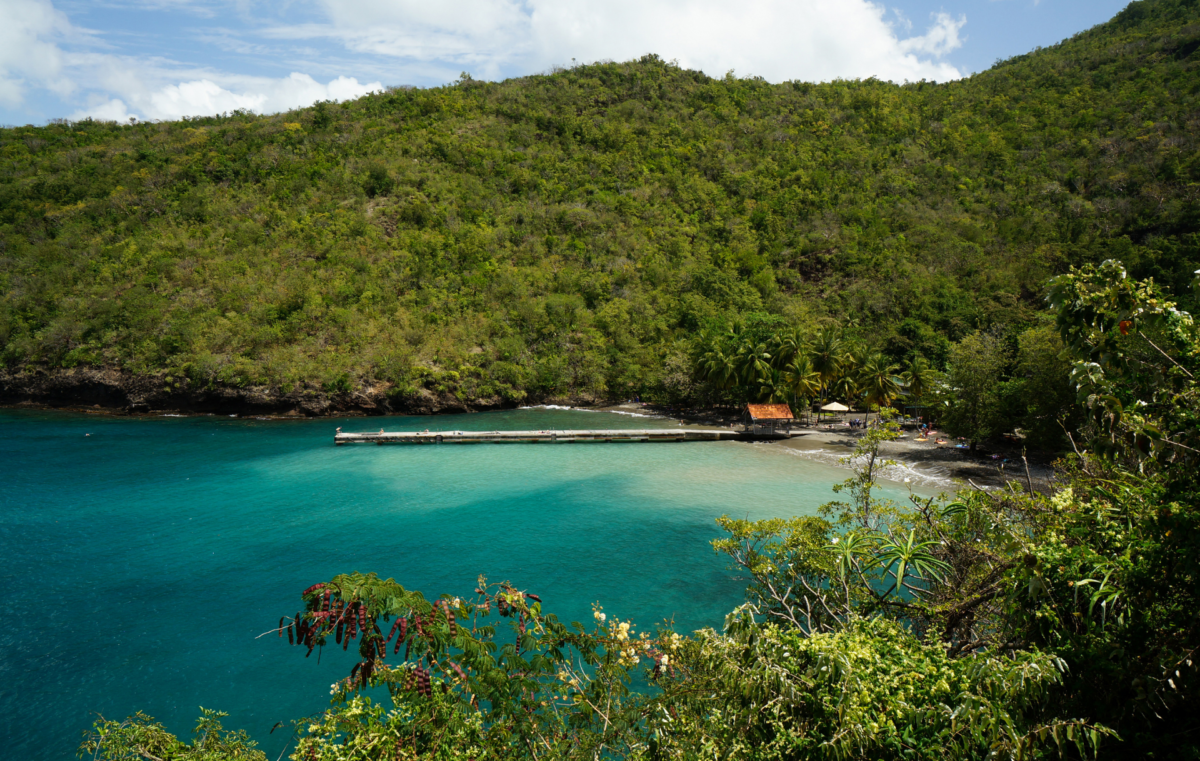
Côtes, volcans, forêts et paysages ouverts pour les voyages où la lumière et le terrain guident le récit.
Art & DesignLieux inspirants
Architecture, matières, couleurs et décors qui prolongent le voyage au-delà du panorama.
Carnets libresNotes à explorer
Les articles encore rangés à part, présentés comme une réserve de trouvailles plutôt qu’une rubrique technique.
Derniers carnets
Fraîchement publié
Ruelles et façades
Villes et villages
Ports, marchés, façades colorées et villages blancs donnent au carnet une matière plus proche des gens, des détails et des heures lentes.
Ports
Bateaux, quais, reflets et restaurants de bord de mer pour sentir l’arrivée avant même la visite.
Ruelles
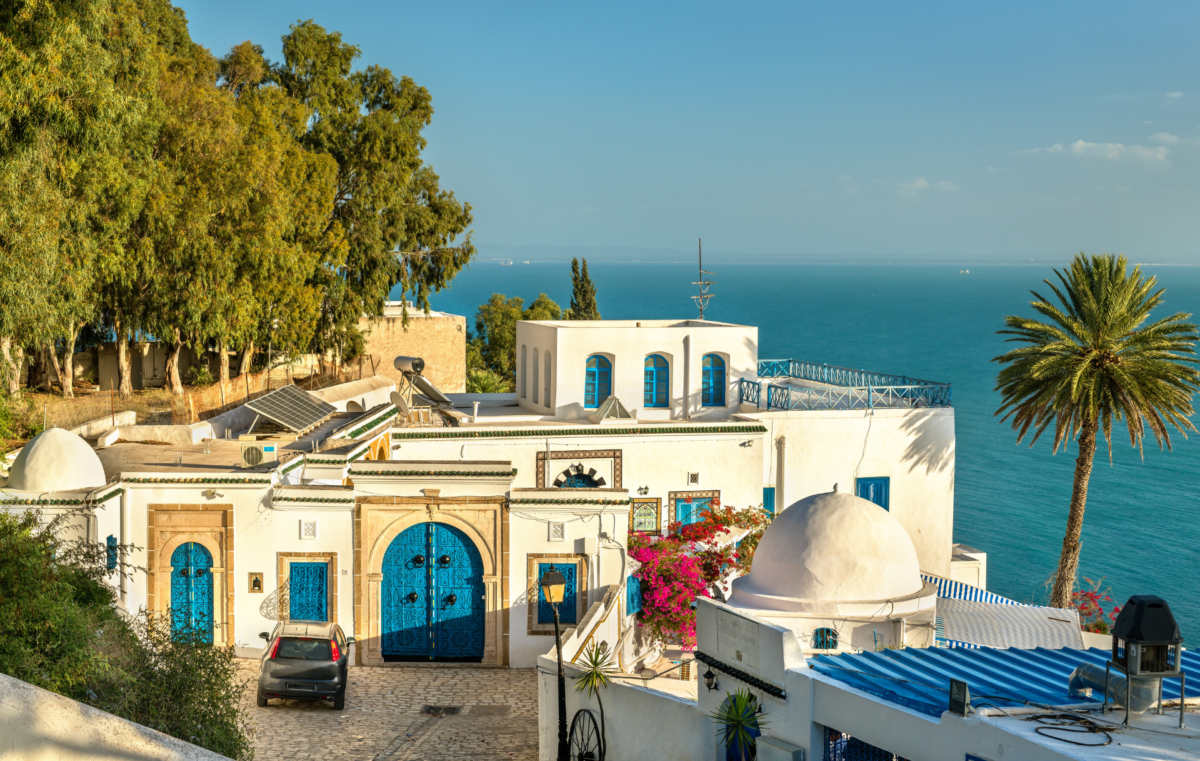
Ombres serrées, portes peintes, pavés et murs clairs racontent souvent mieux une ville qu’un panorama.
Marchés
Couleurs, gestes, épices et bruit de la matinée donnent une place aux détails vivants.
Belvédères
Quelques mètres de hauteur suffisent parfois à comprendre la forme d’un lieu.
Nature brute
Montagnes, côtes, forêts, volcans et grands espaces donnent aux carnets leur respiration la plus ample.
Reliefs et grands espaces
Les paysages prennent toute la place quand la météo, la saison et la lumière transforment une étape en souvenir durable.
Voyage actif
Aventure douce
Marche, saut en parachute, remise en forme, ascensions et sorties en plein air donnent au corps une vraie place dans le voyage.
Marcher longtemps
Sentiers, crêtes et forêts permettent de lire un paysage à hauteur de souffle, avec des étapes faciles à transformer en itinéraire.
Changer d’énergie
Les séjours sportifs ajoutent un rythme plus physique sans perdre le plaisir du départ ni l’attention au décor.
Oser l’altitude
Parachute, belvédères et routes de montagne offrent une autre échelle au paysage et des angles photo plus ouverts.
Itinéraires
Routes d’ailleurs
Camping-caravaning au Québec, routes côtières, traversées d’îles et étapes choisies racontent le voyage par le mouvement, les pauses et les changements de décor.
Photographie
L’œil photo
Lumière de fin de journée, cadrage d’une façade, détail dans un marché, contraste entre mer et montagne : chaque carnet garde une trace visuelle du lieu.
- Lumières rasantes, ciels lourds et reflets utiles au cadrage.
- Matériel léger, batteries, stockage et images sauvegardées en route.
- Points de vue repérés sans transformer le voyage en chasse aux spots.
Art & Design
Lignes, matières, décors
Architecture, objets, couleurs et détails décoratifs prolongent le voyage au-delà du paysage.
Avant de partir
Préparer le départ
Météo, matériel photo, hébergements, formalités et choix d’itinéraire accompagnent les envies de départ sans alourdir le plaisir du voyage.
Matériel
Sac, objectif, batterie, mémoire et sauvegarde pour rentrer avec les images attendues.
Terrain
Saison, accès, rythme et météo gardent une place centrale dans les décisions.
Profondeur du carnet
Voyages récents
Cette sélection remonte les derniers articles du carnet : utile pour reprendre le fil des publications récentes sans appeler cela des archives.
Navigation sensible
Explorer par ambiance
Soleil d’hiver, îles, désert, road trip, ville blanche, montagne ou adrénaline : chaque entrée mène vers une recherche interne ou une rubrique du site.